Penyelenggaraan dan care in hydraulic systems are critical for ensuring their optimal performance, longevity, and reliability.
Betul penyelenggaraan melibatkan beberapa kunci amalan:
Biasa Pemeriksaan: Conduct regular visual inspections of the entire hydraulic system. Check for signs of leaks, wear, and damage to hoses, seals, and components. Inspect fluid levels and ensure they are within the recommended range. Identifying potential issues early can prevent major failures and costly repairs.
Cecair Pengurusan: The hydraulic fluid is the lifeblood of the system. Regularly check the fluid's condition, including its color, viscosity, and presence of contaminants. Follow the manufacturer's guidelines for fluid replacement intervals. Using the correct type of hydraulic fluid is crucial, as using the wrong type can lead to system inefficiency or damage.
Penapisan: Mengekalkan bersih hydraulic fluid is essential. Use high-quality filters and replace them according to the manufacturer's schedule. Filters help remove contaminants such as dirt, metal particles, and other debris that can cause wear and tear on system components. Regularly inspect and clean the reservoir to prevent contamination.
Suhu Kawalan: Monitor the system's operating temperature. Excessive heat can degrade hydraulic fluid and damage system components. Ensure cooling systems, such as heat exchangers or coolers, are functioning properly. Implement measures to avoid overheating, such as adequate ventilation and preventing overloading the system.
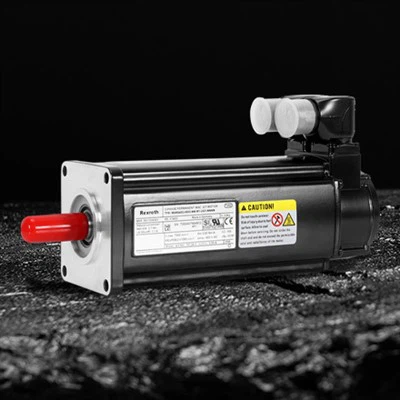
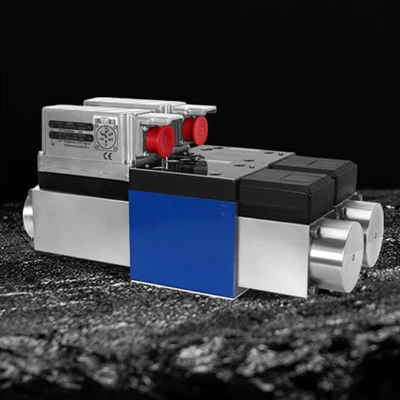
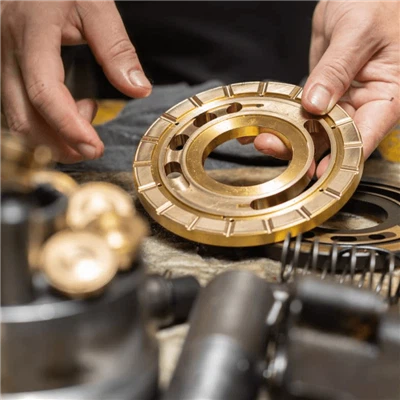
Komponen Penyelenggaraan: Regularly service and maintain key components like pumps, valves, cylinders, and actuators. Check for proper operation and performance. Replace worn-out seals, gaskets, and O-rings to prevent leaks and maintain pressure integrity. Lubricate moving parts as needed to reduce friction and wear.
Sistem Pembersihan: Periodically flush the hydraulic system to remove sludge, varnish, and other deposits. This helps maintain the cleanliness and efficiency of the system. Use approved cleaning agents and follow proper procedures to avoid damage to components.
Latihan dan Dokumentasi: Ensure that personnel responsible for hydraulic system maintenance are adequately trained. Maintain detailed records of maintenance activities, fluid changes, filter replacements, and any repairs or component replacements. Proper documentation helps track the system's history and plan for future maintenance.
Bocor Pengesanan dan Pembaikan: Leaks can lead to system inefficiencies, contamination, and safety hazards. Regularly check for leaks and promptly repair them. Use proper sealing techniques and materials to ensure long-lasting repairs.
Mematuhi kepada these practices ensures the hydraulic system operates efficiently, reduces downtime, and extends its service life.